The profitability issues of staging Western Cape racing is again in the spotlight after racing operator Phumelela issued a warning to local owners and trainers that unless field sizes were boosted up to 12 horses and above per race, stakes might be reduced or meetings shelved.
The topic of field sizes evokes a divergence of views. Stats in the Western Cape bear out the virtually universal trend that horses are being run less often and field sizes have come down. Nine is the average field size at Durbanville, with around 10 runners going to post in each race at Kenilworth.
Heavily invested owner Marsh Shirtliff is adamant his horses must run as often as possible and field numbers must increase. He downplays the supposed impact of dodgy draws, a common reason for horses not taking up engagements, and is instead advocating fuller participation to promote a well-supported, sustainable local racing scene.
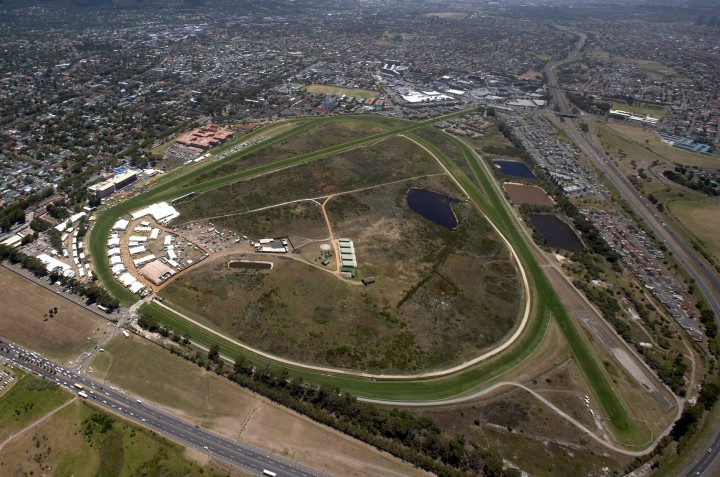
But, more typically, owners or trainers are reluctant to race horses from bad draws. No owner likes to see their horses fare badly, and draws can be tough to overcome, even if not the insurmountable problem they are sometimes made out to be. Critics may also cite the awkward camber that can see runners at Durbanville become unbalanced. The threat of their valuable bloodstock sustaining a career threatening injury may prompt cautious connections to keep them tucked away safely in the stables.
Mooted improvements to the racing surface at the country course would make a significant difference, meanwhile when racing reverts back to the flatter, sweeping expanses of Kenilworth next month, field sizes ought to bump up.
The racing programme, which currently comprises 84 meetings and 694 races across the season in the Western Cape, is also a continual source of debate. Racing secretaries find that it’s virtually impossible to keep everybody happy. Depending on the shifting composition of their strings, trainers may want more top-level handicaps or lower grade contests, races for stayers not sprinters, or set weight affairs races rather than merit rated handicaps.
For example, Candice Robinson, who is skillfully managing the Mike Bass stable, counts Shirtliff among their most prominent patrons and would love to oblige by running horses more regularly. However, she is currently frustrated by the lack of viable opportunities for their many above- average horses, who are caught out by being just not quite good enough for feature races.
While field sizes are an issue, at the heart of the controversy is the need to boost betting revenues which makes the wheels of this racing game go round. The Western Cape, where close to 1500 individual runners compete each season, is one of the lowest per runner contributors when assessed against betting turnovers. This, despite being home to quality thoroughbreds, outstanding horsemen, a proud tradition of historic stakes races and a sterling breeding industry.
Western Cape racing has much in its favour, and resilient industry players who have risen to multiple challenges over the years are again committed to sorting things out. Recent meetings suggest that, be it dealing creatively with the draw issue, administrators imaginatively tweaking the racing programme or genuine improvements being made to course conditions, a collaborative solution with the operators will be found.
– Mark van Deventer for TAB News