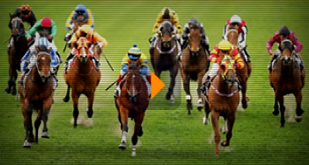

Barrier trials – a burr under the saddle of many – is about to become a reality in KwaZulu-Natal. Sanctioned by racing operator Gold Circle, the trials are likely to start as soon as the first week of November this year. The trials will be held at both Greyville and Scottsville, but mainly on the Greyville poly track, prior to the start of race meetings.
Paul Lafferty, Chairman of the KZN Trainers Association and a Gold Circle board director, was instrumental in seeing it through. “This has been my pet project. We need transparency in racing. We need to get punters to trust us.”
“We have tried getting first timer comments published but although the majority of trainers do not had a problem giving out info, there are the few that are unwilling to co-operate.”

Paul Lafferty
“We had an AGM yesterday (Tuesday) and barrier trials were approved by Gold Circle CEO Michel Nairac. It was also unanimously supported by the trainers.”
“I think it’s a very good idea. I just hope that it can be carried out effectively,” said KZN Champion trainer Duncan Howells.
The trials will be held in six-horse heats over 1000m on the racetracks proper (at weight-for-age in case of mixed ages), with full control from stipendiary stewards, and with official race videos produced for every trial. All unraced horses from outside of the province but destined to make their debuts in KZN will also be subject to the trials in their racing silks before they can compete in a race.
Trial runners are expected to be fully punched out under hands-and-heels. All trial results with run-ons and times will be made available so that punters can have access to all the information they require. Barrier trials will also apply to horses that have been off the track for three months or more.
“There are many advantages to barrier trials and the most important of all is that it will go a long way to restoring public confidence in racing,” said Lafferty. “There is a perception that racing is crooked. Certain trainers refuse to talk about their unraced runners and when they win, punters believe they were placed at a disadvantage, that wool was pulled over their eyes or that vital info was withheld on purpose.”
“Perception is reality. We want to eliminate the perception of unfairness so that the people who wager money on races can be assured that they are on an equal footing, they have all the necessary information at hand before they put their cash down.”
“There are trainers who withhold information on their runners to plan so-called ‘betting coups’. This is tantamount to insider trading. It’s illegal on the stock exchange so why should it be allowed in horseracing? I said to them yesterday, ‘How many coups have any of you actually pulled off? I don’t see any helicopters parked at your stables. Forget the betting coups, those days are over. We need new owners in the game!
An added advantage is that young horses will be given experience such as going into a float and experiencing a race on a raceday. It is also an opportunity for trainers to have their horses pitted against other trainer’s horses, something not allowed under current National Horse Racing rules.
Lafferty conceded that there would be teething problems. “There will be incidents where actual race results won’t reflect the results of the trials, but the trials will establish form patterns for stables which punters will be able to follow with reliable results. They will be able to see which stables bring their horses to hand faster or slower compared to others, and so on. The main issue, however, remains the aspect of public confidence. The betting public wishes to see that the operator is doing everything it can to help them win!”
By Andrew Harrison